
Choosing a time attendance device sounds simple until you compare models. Fingerprint, face, palm, card, Wi-Fi, battery backup, reports on the device or in software: every option affects how smoothly attendance works in your company every morning. This guide explains the main types of attendance devices available in Egypt and the questions to answer before you buy.
1. Fingerprint attendance devices
Fingerprint devices are the most common and usually the simplest way to replace paper sign-in sheets. Each employee places a finger on the sensor, and the device records the exact check-in time. Because the record is tied to the employee’s own fingerprint, it also reduces buddy punching, when one employee checks in for another.
The main limitation is that some fingerprints are hard to read. Workers in factories, workshops and construction often have worn or damaged fingerprints, and very dry or wet fingers can also slow down verification. If many of your employees work with their hands, plan for a second verification method.
2. Fingerprint and card devices
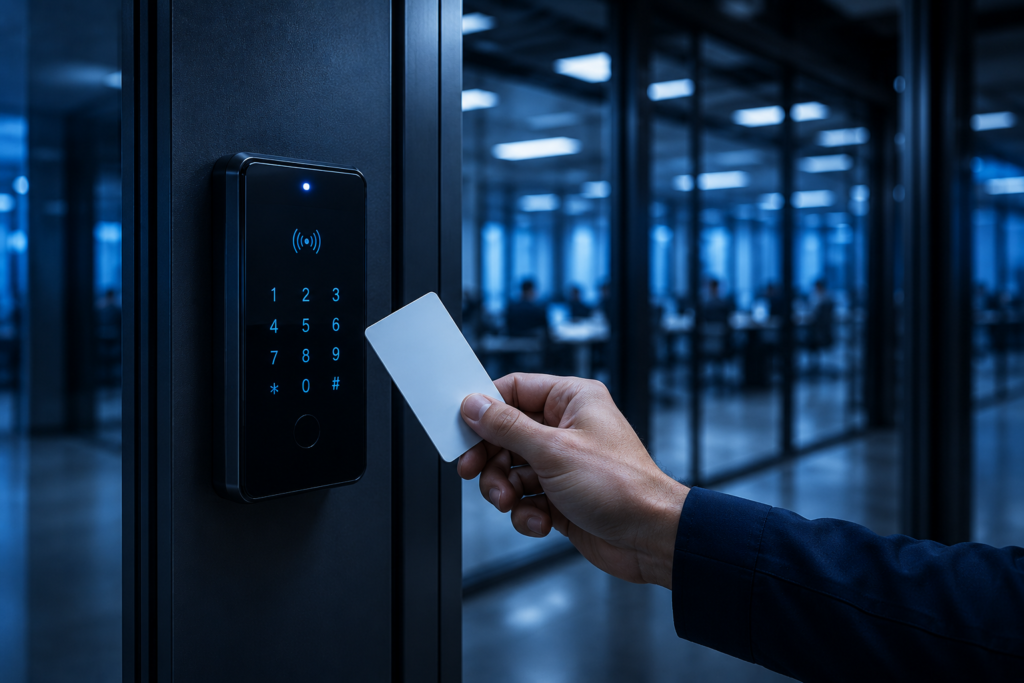
Adding RFID card verification gives you a backup for employees whose fingerprints are difficult to read, and an easy option for visitors or temporary staff. The trade-off is that cards can be lost or shared, so many companies use cards only for specific groups and keep fingerprints as the main method.
When you choose cards, make sure the card type matches the reader in your device. ID cards and MF cards use different technologies, and a reader only works with the card type it supports.
3. Face recognition devices
Face recognition devices identify employees without any contact. They are fast at busy entrances and work well for staff whose fingerprints are hard to read. Modern terminals use visible light face recognition and anti-spoofing algorithms designed to reject printed photos and videos.
For face devices, the installation location matters. Avoid placing the terminal facing strong direct sunlight, and mount it at a height that suits most employees so recognition stays quick and accurate.
4. Fingerprint and face (multi-biometric) devices

Multi-biometric devices combine face recognition, fingerprint and often card and password in one terminal. Every employee can use the method that works best for them, which makes these devices a flexible choice for companies with different types of staff, such as offices with an attached warehouse or factory.
5. Palm recognition and portable devices
Palm recognition reads the palm from a short distance without touching the device, and it does not depend on the condition of the fingertips. Portable handheld devices are designed for teams that do not work at one fixed entrance, such as field teams and construction sites, and some models record the GPS location of each check-in.
Questions to answer before you buy
- How many employees will use the device, and how many may join in the next two years?
- Do your employees work with their hands, wear gloves or have worn fingerprints?
- Do you need reports directly from the device on a USB drive, or through attendance software on a computer?
- How will the device connect: TCP/IP network cable, Wi-Fi or USB only?
- Do power cuts happen at your site? A built-in or optional backup battery keeps the device working.
- Should the same device also open a door with an electric lock and exit button?
- Will the device be installed outdoors or in a dusty area that needs a protective box?
Which type fits which company?
As a general guide: small offices and shops often start with a fingerprint device. Companies with visitors or temporary staff benefit from fingerprint and card. Busy entrances and hygiene-sensitive places such as clinics suit face recognition. Factories and workshops usually do best with face, palm or multi-biometric devices, and companies with field teams should consider portable terminals.
Browse attendance devices by type
- Fingerprint Attendance
- Fingerprint & Card Attendance
- Face Attendance
- Fingerprint & Face Attendance
- Face & Palm Attendance
- Portable Attendance
- Time Attendance Accessories
Need help choosing?
Delta Electronics supplies ZKTeco time attendance devices from Nasr City, Cairo. Tell our team how many employees you have and how they work, and we will recommend suitable models.